
IPTV vs Cable TV
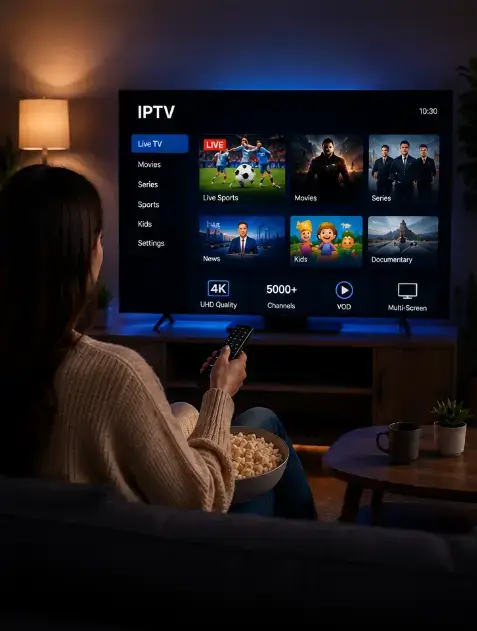
Many people comparing modern television options ask whether IPTV or traditional cable TV is the better choice. Both provide access to live channels, but they’re built on fundamentally different technology, and the right choice usually comes down to your internet connection and how many devices you want to watch on.
If you’re new to IPTV, read our What Is IPTV Guide to understand the basics before comparing it with cable television.
What Is IPTV?
IPTV (Internet Protocol Television) delivers television content through an internet connection rather than a cable line or satellite dish. Users can stream live TV channels, movies, and on-demand content through an app on a TV, streaming device, phone, or computer.
IPTV vs Cable TV: Key Differences
| Feature | IPTV | Cable TV |
|---|---|---|
| Technology | Internet Streaming | Dedicated Cable Infrastructure |
| Device Compatibility | Multiple Devices | Mainly Television |
| On-Demand Content | Extensive | Limited, often extra cost |
| Flexibility | High — watch anywhere with internet | Fixed to installed locations |
| Setup | App install, minutes | Engineer installation typically required |
| Reliability | Depends on internet connection | Independent of home internet |
Content Availability
IPTV platforms typically bundle live channels, movies, TV shows, and catch-up content within a single interface. Cable television usually focuses on live channel packages, with on-demand or premium content often requiring separate add-on subscriptions.
Device Compatibility
One of the biggest practical advantages of IPTV is device flexibility — the same subscription typically works across:
- Smart TVs
- Fire TV Stick
- Android TV
- Apple TV
- Smartphones
- Tablets
- Computers
Cable TV, by contrast, generally requires a dedicated cable box connected to each individual television.
Streaming Quality
Both IPTV and cable TV can deliver high-definition content. Cable’s picture quality is generally consistent regardless of network conditions, since it doesn’t depend on your home broadband. IPTV quality depends on your internet speed and stability — a connection of at least 15–25 Mbps is recommended for reliable HD, and 50 Mbps+ for 4K.
Advantages of IPTV
- Watch on multiple devices with one subscription.
- Large on-demand libraries included by default.
- No engineer visit or cable installation required.
- Easy to set up or switch providers.
- Works anywhere you have a stable internet connection, not just at home.
Advantages of Cable TV
- Signal quality isn’t affected by home internet issues — a genuine advantage in areas with unreliable broadband.
- Simple, familiar remote-and-channel-number navigation that some viewers prefer over app-based menus.
- No dependency on Wi-Fi coverage throughout the house.
- Long-established customer support infrastructure from major providers.
Which Should You Choose?
IPTV tends to make more sense if you already have a reliable broadband connection, want to watch across several devices, and value a large on-demand library without extra add-ons. Cable TV remains a reasonable choice if your internet connection is inconsistent, or if you specifically prefer traditional remote-and-box navigation over an app-based interface. If you’re leaning toward IPTV, our full setup guide covers getting started on any device.
Frequently Asked Questions
Is IPTV better than cable TV?
For most households with a stable broadband connection, IPTV offers more flexibility and a larger content library. Cable remains a solid choice specifically where internet reliability is a concern.
Does IPTV require the internet?
Yes. IPTV depends entirely on an internet connection to stream content — there’s no cable or satellite signal involved.
Can IPTV fully replace cable TV?
Yes, for most viewers — IPTV typically matches or exceeds cable’s channel selection while adding on-demand content and multi-device support, provided your internet connection is stable enough.
Is IPTV generally cheaper than cable?
IPTV subscriptions are usually cheaper than cable packages, particularly since on-demand content is often included rather than sold as a separate add-on — though exact pricing varies by provider.
Can IPTV be used on Smart TVs?
Yes. Most modern Smart TVs support IPTV applications directly through their built-in app stores.
What internet speed do I need to switch from cable to IPTV?
At least 15–25 Mbps for reliable HD streaming on one device; more if multiple people in the household stream simultaneously or you want 4K.
Conclusion
Both IPTV and cable TV offer access to television content, but they suit different situations. IPTV provides greater flexibility, wider device compatibility, and access to on-demand entertainment by default — making it the better fit for most households with reliable internet. Cable remains a dependable option where internet stability is a genuine concern. As broadband speeds continue to improve across the UK, IPTV remains one of the most popular ways to consume digital television content in 2026.